
The Association for Intellectual and Developmental Disabilities of Nigeria has called for greater inclusion and support for persons living with Down syndrome, urging the public and government authorities to end social isolation affecting many individuals with the condition.
The appeal was made by the association’s National President, Joko Omotola, in a statement to mark the World Down Syndrome Day 2026 observed on March 21.
Omotola said persons with Down syndrome should not be left out of society, stressing the need for active engagement and equal treatment.
“Persons with Down syndrome are full members of our communities, with talents, hopes and rights that deserve recognition and respect,” she said.
She noted that this year’s theme, “Together Against Loneliness,” highlights the need to address social isolation and promote inclusion through deliberate actions that foster connection and participation.
According to her, despite improvements in healthcare and education, many individuals with Down syndrome still face barriers in accessing essential services, including quality healthcare, education, employment and community support.
She also emphasised the role of parents and caregivers, noting that they require sustained support to effectively care for persons with intellectual and developmental disabilities.
Omotola called for policies that would expand access to inclusive education, healthcare services, employment opportunities and community-based support systems.
She urged national and state governments to adopt and implement policies that strengthen support for persons with intellectual and developmental disabilities, including increased funding for assistive devices, caregiver support programmes and mental health services.
The association also announced activities to mark the 2026 observance, including media engagements and forums involving self-advocates to share experiences and promote best practices.
As part of the awareness campaign, Nigerians were encouraged to wear yellow and blue colours to show solidarity with persons living with Down syndrome.
Omotola added that sustained public education and policy support are critical to reducing stigma and ensuring full participation of persons with Down syndrome in social, economic and cultural life.
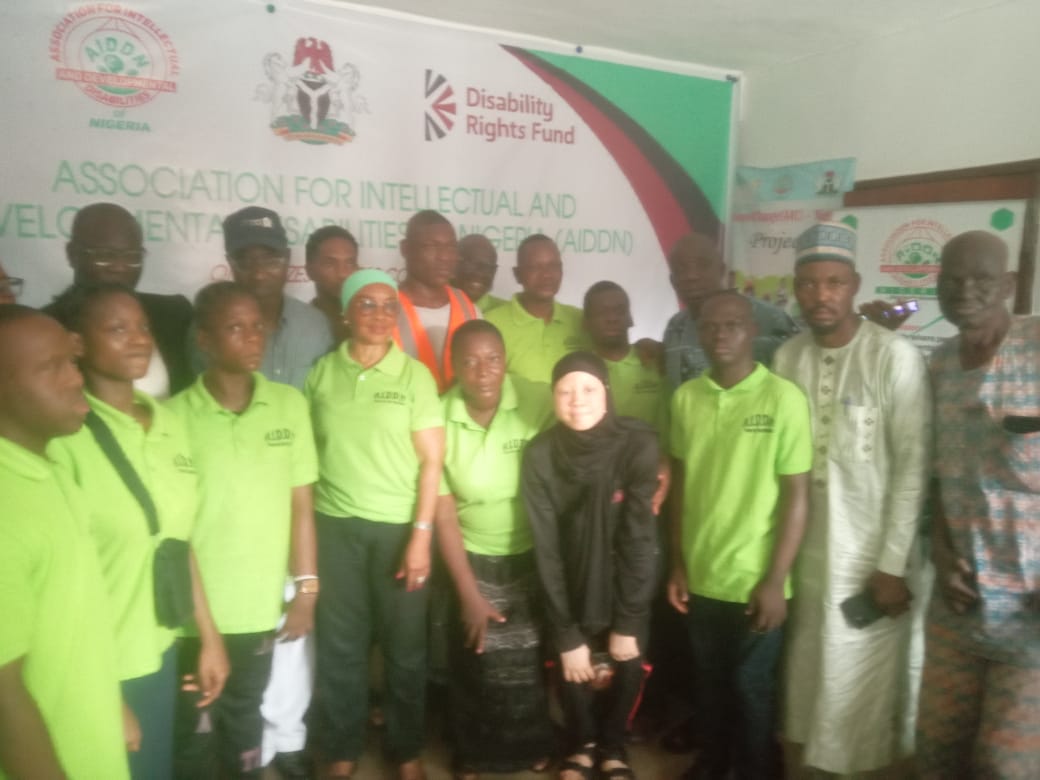
World Down Syndrome Day: Group Urges Inclusion, Support for Persons Living with Condition
