
President of the International Coaching Federation Nigeria Chapter, Charles Okeibunor, has advocated the adoption of coaching culture in public and private institutions as a strategy for strengthening leadership, governance, and workforce development in Nigeria and across Africa.
Okeibunor made the call during an appearance on Guest of the Moment, a personality and current affairs programme aired on the combined service of Radio Nigeria Lagos Operations, comprising Radio One 103.5FM and Metro FM 97.7.
Speaking on the role of coaching in modern leadership, he described coaching as a professional process that helps individuals and organisations improve decision-making, enhance productivity, and build sustainable institutions.
According to him, coaching enables leaders to identify problems at early stages, improve team management, and reduce the waste of valuable organisational resources.
“Coaching is a professional conversation that stimulates critical thinking and helps people make informed decisions and solve problems effectively,” he stated.
The ICF Nigeria President noted that many institutional failures in Nigeria stem from poor communication and weak trust between leaders and followers.
He explained that coaching helps leaders build stronger relationships by making people feel acknowledged and heard, thereby encouraging collaboration and improving organisational efficiency.
Okeibunor further argued that leadership based only on authority and official position is gradually losing relevance, stressing that influence and trust have become more important in effective leadership.
On governance and development in Africa, he said the continent must shift attention from population strength to quality leadership, innovation, and measurable outcomes.
“Africa has enormous potential, but we must intentionally convert quantity into quality,” he said.
The leadership expert also stressed the importance of continuous learning and self-development, especially among young professionals seeking career direction and growth opportunities.
He explained that coaching can help individuals identify whether their challenges are linked to lack of skill, confidence, or clarity, thereby improving career planning and performance.
Okeibunor described the International Coaching Federation as the world’s leading professional coaching body with operations in over 140 countries.
He disclosed that this year’s International Coaching Week, scheduled for May 11 to 17, would focus on the theme, “From Authority to Influence: Coaching as the New Currency for Leadership.”
According to him, the programme is expected to promote conversations around leadership transformation, strategic thinking, and professional development across sectors.
He also urged governments, educational institutions, and organisations to adopt coaching-based leadership approaches capable of encouraging innovation, creativity, and critical thinking.
On personal growth, Okeibunor encouraged Nigerians to embrace lifelong learning and continuous improvement.
“In the university of experience, nobody graduates. Keep learning, keep unlearning, and keep relearning,” he said.
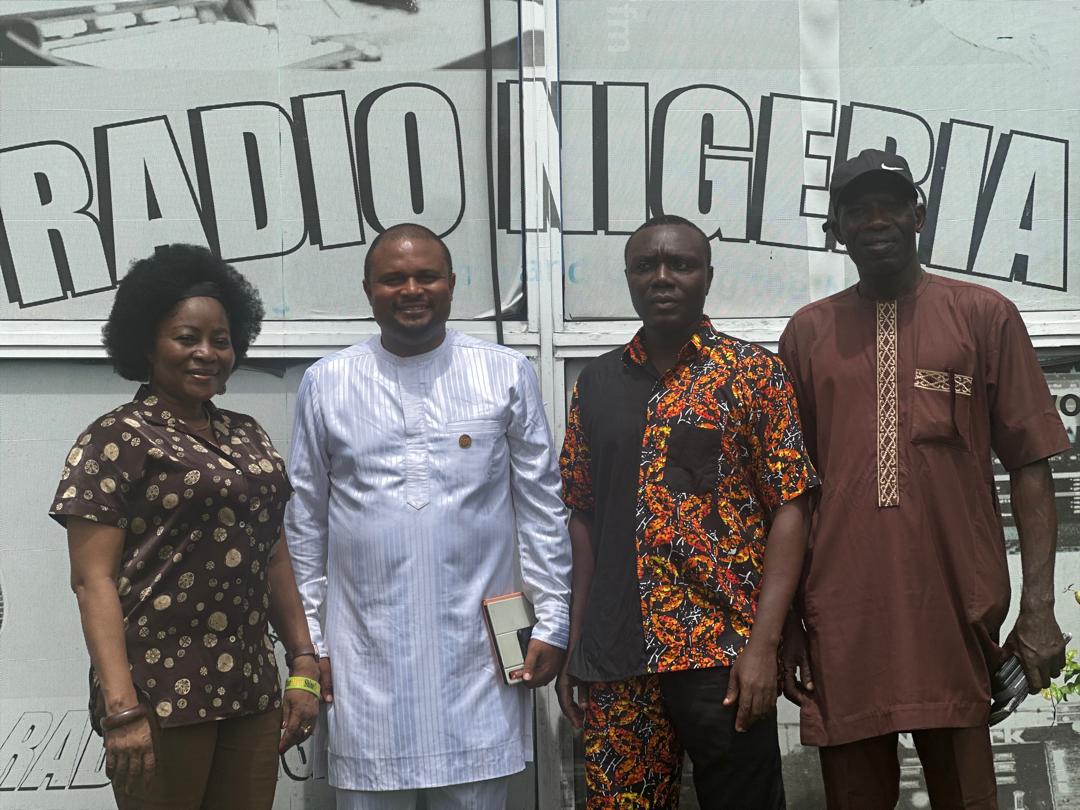
Okeibunor Calls for Coaching-Driven Leadership Reform in Nigeria
