
The National Chairman of the Association of Industrial Pharmacists of Nigeria (NAIP), Bankole Ezebuilo, has called on the Federal Government to intensify efforts toward developing Nigeria’s pharmaceutical manufacturing sector, saying the country must reduce its heavy reliance on imported medicines.
Speaking at the 29th Annual National Conference and Training of NAIP in Ilorin, Ezebuilo said Nigeria has the capacity to emerge as the pharmaceutical manufacturing hub of Africa if the right policies and investments are put in place.
The conference, themed “Collaboration and Innovation to Build Local Solutions for the Future of Nigeria’s Pharmaceutical Industry,” brought together pharmaceutical manufacturers, healthcare professionals, regulators, policymakers, and industry stakeholders from across the country.
Ezebuilo warned that continued dependence on imported medicines poses serious risks to national healthcare security, noting that over 70 percent of medicines consumed in Nigeria are sourced from abroad.
According to him, sustainable healthcare delivery can only be achieved through deliberate investment in local pharmaceutical production, research, innovation, and human capacity development.
“No nation can outsource its health security,” he said, stressing that countries unable to produce essential medicines locally would remain vulnerable during global supply disruptions and health emergencies.
He urged the administration of Bola Tinubu to declare a national emergency in the pharmaceutical manufacturing sector and create enabling policies to encourage local production and industrial growth.
The NAIP chairman stated that the association is ready to partner with government and other stakeholders to strengthen Nigeria’s pharmaceutical industry and drive industrial transformation within the healthcare sector.
He also highlighted the need to reduce dependence on imported Active Pharmaceutical Ingredients (APIs), explaining that local production would improve medicine availability, create employment opportunities, conserve foreign exchange, and strengthen Nigeria’s competitiveness within Africa.
Ezebuilo further called on investors, academic institutions, regulators, and development partners to work together in building a sustainable pharmaceutical ecosystem capable of meeting the country’s healthcare needs.
As part of the conference activities, NAIP carried out humanitarian interventions, including the renovation and commissioning of healthcare centres in Ilorin and a free medical outreach programme for residents of surrounding communities.
The outreach, conducted in collaboration with healthcare professionals and the Kwara State Government, provided consultations, treatment, and free drugs to more than 1,000 residents.
The conference also featured keynote presentations by local and international pharmaceutical experts, as well as the participation of senior members of the Pharmaceutical Society of Nigeria and other industry leaders.
Ezebuilo maintained that Nigeria’s healthcare future depends on building strong local manufacturing capacity through collaboration, innovation, and sustained investment in the pharmaceutical sector.
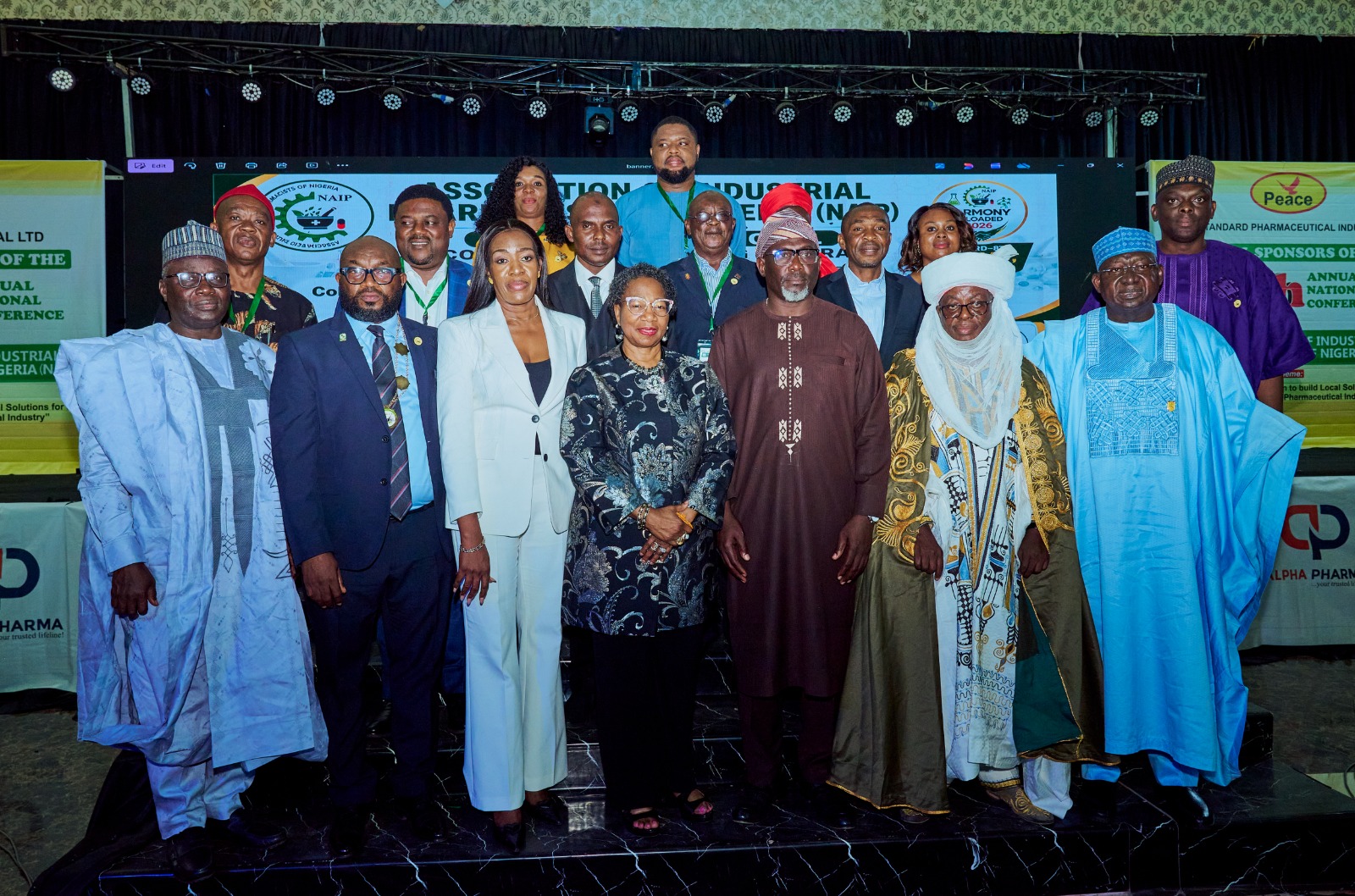
Ezebuilo Seeks Stronger FG Support for Local Pharmaceutical Production
